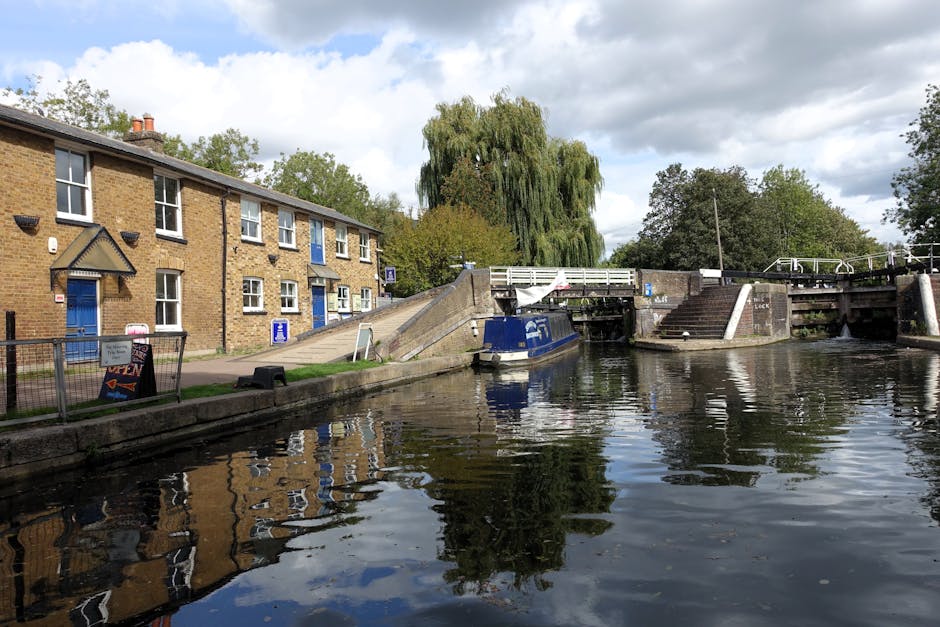
Teddington Lock rubbish removal guide for riverside homes
If you live by the water, rubbish removal is never quite as straightforward as it looks on paper. Narrow access, shared paths, wet weather, awkward parking, and the odd boat, cyclist, or dog walker all change the picture. This Teddington Lock rubbish removal guide for riverside homes is written to help you plan a clearance that is tidy, lawful, and actually manageable in real life. Whether you are clearing a flat, a family house, a riverside garden, or a storage-heavy loft, the aim is simple: get the waste gone without turning the day into a headache.
Riverside homes around Teddington Lock often need a slightly different approach to standard domestic waste removal. You may be dealing with bulky furniture, damp garden waste, renovation debris, or items that are awkward to carry down shared access routes. A good plan saves time, protects the property, and reduces the risk of missed collections or fly-tipping. Let's face it, nobody wants bags sitting by the gate for two days in the drizzle.
This guide covers how the process works, what to watch out for, the best options for different types of waste, and the practical steps that make a clearance much smoother. You will also find a checklist, a comparison table, and a few common-sense tips that people tend to learn the hard way.
Contents
- Why rubbish removal at Teddington Lock matters
- How the process works
- Key benefits and practical advantages
- Who needs this and when it makes sense
- Step-by-step guidance
- Expert tips for better results
- Common mistakes to avoid
- Tools, resources and recommendations
- Law, compliance, standards and best practice
- Options, methods and comparison table
- Case study or real-world example
- Practical checklist
- Conclusion
- Frequently asked questions
Why Teddington Lock rubbish removal guide for riverside homes Matters
Riverside properties bring a different set of conditions to rubbish removal. Space can be tight, access may be shared, and weather can change the job quickly. A pile of waste that seems harmless on a dry morning can become slippery, heavy, and messy by lunchtime. If you have ever tried to shift a wet mattress or a stack of garden clippings after an overnight shower, you will know the feeling.
For homes near Teddington Lock, rubbish removal matters not just because of convenience but because of presentation, safety, and neighbour relations. Waste left in front of a home, especially near communal access points, can create clutter and attract complaints. It can also block walkways or make it harder for service teams to work efficiently. That is especially relevant where homes have boats, terraces, or lower-ground access that need careful handling.
There is also a practical environmental angle. A well-organised clearance makes it easier to separate reusable items, recyclable materials, and anything that needs specialist disposal. For many households, that is the difference between a stressful one-off dump and a proper clearance that feels under control. If you want to read more about responsible handling, the site's recycling and sustainability approach is a useful place to start.
Practical takeaway: riverside waste removal is not just about lifting bags. It is about access, timing, sorting, and keeping the property safe and presentable while the job is being done.
How Teddington Lock rubbish removal guide for riverside homes Works
In most cases, rubbish removal for a riverside home follows a straightforward pattern: assess the waste, decide what needs to go, arrange a collection or clearance, and make sure the items are handled correctly. Simple enough. The catch is in the details, and the details matter more by the river than they might in a standard street-facing property.
A typical domestic clearance may involve bags, old furniture, broken appliances, loft junk, garden waste, or renovation offcuts. Each type of material has different handling needs. For example, a sofa is one thing; a freezer is another; a pile of mixed builders' waste is something else entirely. If you are unsure what belongs where, checking a service like what can go in a skip can help you understand the broad categories, even if you are not hiring a skip itself.
The service model usually falls into one of three approaches:
- Man and van style clearance: good for mixed household waste, furniture, and smaller clearances.
- Specialist collection: better for appliances, mattresses, or items needing separate disposal.
- Room-by-room or full-property clearance: useful for larger homes, probate clearances, or properties with accumulated clutter.
Riverside access can influence the method. If parking is limited or the property is reached by steps, ramps, or narrow side passages, the collection team may need extra time and a more careful loading plan. That should be discussed early. Honestly, this is one of those jobs where a few clear notes up front save a lot of back-and-forth later.
Key Benefits and Practical Advantages
A thoughtful waste removal plan brings more than a clean drive or a clear hallway. It gives you a bit of breathing room. And in a busy household, that matters.
- Less disruption: items can be removed in one visit rather than dragged out over several days.
- Better safety: fewer trip hazards, fewer heavy lifts, less chance of damage to walls, stairs, or decking.
- Cleaner appearance: important for riverside homes where outdoor spaces are often visible to neighbours and passers-by.
- More efficient sorting: reusable, recyclable, and specialist waste can be separated properly.
- Reduced stress: you do not have to work out vehicle access, disposal rules, and loading yourself.
There is also a subtle but important benefit: a good clearance often makes the whole property feel more usable. A cluttered terrace or a packed garage can make a home feel smaller than it is. Once it is cleared, you suddenly notice the light, the floor space, and the room to move. Small thing, big difference.
If your clearance includes bulky household items, the pages on furniture clearance and mattress and sofa disposal are especially relevant. For white goods or kitchen appliances, see fridge and appliance removal.
Who This Is For and When It Makes Sense
This guide is useful for anyone living in or managing a riverside property near Teddington Lock who needs waste removed safely and without fuss. That includes owner-occupiers, landlords, letting agents, tenants at the end of a term, and families dealing with a house that has simply accumulated too much over time.
It also makes sense if you are:
- clearing a spare room, loft, garage, or shed
- moving home and need items gone quickly
- preparing a property for sale or rental
- refreshing a garden or terrace after a long season of use
- dealing with damaged or unwanted furniture
- handling post-refurbishment waste from a small project
For larger domestic jobs, a broader home clearance or house clearance can be a better fit than trying to piecemeal everything yourself. If the property is a flat, especially one with stairs, limited entry, or communal areas, flat clearance may be more appropriate.
In our experience, the people who get the best results are not the ones with the smallest amount of waste. They are the ones who plan ahead, even a little. A quick sort, a rough list, and a clear collection window go a long way.
Step-by-Step Guidance
Here is the simplest way to approach rubbish removal near Teddington Lock without making it more complicated than it needs to be.
- Walk through the property and list what needs to go. Include garden waste, furniture, broken items, and anything stored in lofts or garages.
- Separate obvious categories. Keep general waste, recyclables, electrical items, and hazardous materials apart where possible.
- Check access carefully. Think about parking, steps, gates, tight corridors, shared entrances, and any low clearances.
- Decide whether you need a partial or full clearance. A few items may only need a small collection, while larger clearances are more efficient when booked as one job.
- Identify awkward items early. Fridges, mattresses, sofas, and builders' waste often need specific handling.
- Arrange the collection with clear notes. Mention access issues, the types of waste, and whether anyone will be on site.
- Prepare the space. Move small obstacles, unlock access, and protect flooring if loads will pass through the house.
- Keep a final check on the day. Make sure nothing important has been left in a bag or hidden behind a larger item.
A tiny bit of prep is enough most of the time. You do not need to turn the house upside down. Just be deliberate.
If your waste includes builder debris, plasterboard, or refurbishment offcuts, it is sensible to look at builders waste clearance. For mixed domestic and light commercial jobs, waste removal is the broadest starting point.
Expert Tips for Better Results
A few practical habits make a big difference, especially in a riverside setting where access and weather can be unpredictable.
- Keep wet and dry waste separate if you can. Wet cardboard, clippings, and soaked soft furnishings get heavier fast.
- Do the awkward lifting first. It is easier to plan around one heavy item than to realise at the end that it is blocking the doorway.
- Take a couple of photos before booking. Not for drama, just for clarity. They help explain the scale and type of job.
- Leave a clear route. A corridor cluttered with shoes, planters, and pushchairs turns a simple collection into a slow shuffle.
- Ask about sorting and disposal. Reputable teams will explain how different waste streams are dealt with.
One useful habit is to create three piles: keep, remove, and unsure. That last pile tends to be small, but it saves you from throwing out something important by mistake. And yes, people do accidentally bin items they meant to keep. More often than they'd like to admit.
For properties with overgrown gardens or outdoor storage, the garden clearance service can be a better match than treating everything as generic rubbish. If you have deep storage spaces or long-unused clutter upstairs, loft clearance may be the better route.
Common Mistakes to Avoid
Most problems with rubbish removal are avoidable. The mistake is rarely the waste itself; it is usually the planning around it.
- Leaving it too late: if you are moving or letting a property, last-minute clearances are more stressful and more expensive in both time and energy.
- Not checking access: a van may not stop exactly where you assumed it would, especially near busy or narrow riverside roads.
- Mixing prohibited items into general waste: this can create delays and extra handling needs.
- Forgetting about appliances: fridges, freezers, and some electrical items are not just "big rubbish." They need proper processing.
- Ignoring hazardous materials: paint, chemicals, gas canisters, and similar items should be treated with care.
- Assuming one size fits all: a single sofa, a damp garden pile, and a full-house clearance are very different jobs.
There is also a slightly overlooked mistake: not telling the team about shared entrances or resident restrictions. If a block has quiet hours, gate codes, or limited loading space, mention it. It keeps everyone happier, which is not a bad thing.
Tools, Resources and Recommendations
You do not need a toolkit the size of a small depot, but a few simple items make any riverside clearance easier.
- Heavy-duty gloves: useful for broken items, dusty storage spaces, or damp waste.
- Bin bags or rubble sacks: stronger than thin bags when you are dealing with mixed household waste.
- Tape and labels: helpful for marking keep/remove piles.
- Dust sheets or old blankets: protect floors and bannisters if items pass through the property.
- Torches: handy in lofts, cupboards, or garages where lighting is poor.
- Basic measuring tape: useful if you are checking whether large furniture will fit through tight turns.
For specialist needs, the site offers a few helpful pages. If you are disposing of worn seating or sleeping furniture, look at furniture disposal and mattress and sofa disposal. If the job includes confidential papers from a home office or study, confidential shredding may be relevant too.
For pricing questions, the most sensible next stop is pricing and quotes. Clear photos and a plain list of items usually produce the most accurate estimate. No mystery, no fluff.
Law, Compliance, Standards and Best Practice
Waste removal in the UK is not something to treat casually. Even for domestic jobs, the basic expectation is that waste is handled responsibly and passed to appropriate facilities or processors. You do not need to memorise legal wording to make a sensible decision, but you should know that illegal dumping, careless transfers, or handing waste to the wrong person can create problems.
For riverside homes, good practice usually means:
- using a service that can explain how waste is managed
- keeping hazardous items separate
- not leaving waste in a place where it could blow, leak, or block access
- making sure bulky items are removed safely, not dragged or forced through tight spaces
- checking insurance and safety arrangements where the job is complex or access is awkward
If you want reassurance before booking, the pages on insurance and safety and health and safety policy are worth reviewing. They help set expectations around safe handling, which is especially useful in homes with stairs, shared entrances, glass doors, terraces, or awkward outdoor steps.
Special waste deserves special care. For example, fridges and similar appliances often need dedicated handling because of materials and components inside them. Chemical waste or anything that may be classified as hazardous should not be mixed in with general rubbish. If in doubt, it is better to ask first than to guess. That sounds obvious, but people still get caught out.
Options, Methods and Comparison Table
There is no single right way to clear rubbish from a riverside home. The best method depends on volume, item type, access, and how quickly you need the space back. Here is a simple comparison to make the decision easier.
| Method | Best for | Pros | Things to watch |
|---|---|---|---|
| Bag-it-yourself and sort later | Very small amounts of waste | Low immediate effort, flexible timing | Takes space, can drag on, easy to overfill bins |
| Skip hire | Ongoing projects, mixed bulky waste, builder debris | Good for long jobs, useful for repeated loading | Needs space, access planning, and a clear understanding of allowed waste |
| Man and van clearance | Mixed domestic items, furniture, general clearouts | Quick, efficient, less lifting for you | Needs accurate description of items and access conditions |
| Specialist removal | Appliances, mattresses, sofas, or hazardous items | Safer for awkward or regulated items | May need separate booking or handling rules |
If you are comparing a skip with a collection service, the right choice often comes down to convenience versus duration. A skip is useful if the waste will accumulate over several days. A direct collection is better if you want the space cleared in one clean sweep. For many riverside households, that simplicity is worth a lot. Especially when parking is already a nuisance.
When you need a broad clearance across different rooms, garage clearance and loft clearance can also be bundled into a wider plan rather than handled separately.
Case Study or Real-World Example
Imagine a riverside townhouse near Teddington Lock that has been lived in for years by one family. The garden has a pile of broken planters, an old barbecue, rotting timber, and several bags of cuttings. Inside, there is a spare room full of boxes, a sofa that has seen better days, and a fridge in the utility area that no longer works. Nothing dramatic. Just the kind of household build-up that happens quietly, season by season.
The first step is to sort the items by type rather than by room. Garden waste goes together, furniture goes together, and appliances are separated out. The second step is to check access: there is a side gate, two shallow steps to the garden, and a narrow hall that the sofa will need to pass through. That means the team needs to know in advance, not halfway through the job.
The result of planning ahead is usually simple: fewer surprises, quicker loading, less damage risk, and a cleaner finish. The family gets the garden back for summer use, the spare room becomes usable again, and the hallway is left tidy rather than scuffed. Small wins stack up.
For a similar mix of household items, a combination of garden clearance, furniture clearance, and fridge and appliance removal is often the most practical route.
Practical Checklist
Use this checklist before booking your riverside rubbish removal. It is simple, but it works.
- Make a room-by-room list of everything that needs to go
- Separate furniture, general waste, appliances, garden waste, and hazardous items
- Check whether anything is reusable or should be donated elsewhere
- Measure large items if access is tight
- Note stairs, steps, shared entrances, parking limits, or gates
- Take a few clear photos of the waste pile
- Decide whether you need partial clearance or a full property clearout
- Set aside anything confidential, valuable, or personal
- Protect floors and walls where items will be carried through
- Confirm collection timing and any special instructions
A final thought here: the better your list, the easier the day goes. It sounds almost too simple, but that is usually how these jobs work.
Conclusion
Rubbish removal for riverside homes near Teddington Lock is all about good judgement. The waste itself is only part of the job; access, sorting, timing, and safe handling matter just as much. If you plan sensibly, separate awkward items early, and keep your route clear, the process becomes far less stressful than most people expect.
Whether you are clearing a single room, a packed garage, a terrace full of garden debris, or an entire house, the best approach is the one that matches the property and the waste, not just the one that sounds quickest. That is the real difference between a rushed tidy-up and a proper clearance.
Get a free quote today and see how much you can save.
And if you are standing in the middle of a cluttered room wondering where to begin, start with one bag, one box, one decision. That is enough for today.
Frequently Asked Questions
What is the best rubbish removal option for a riverside home near Teddington Lock?
For many homes, a man and van style clearance is the most flexible option because it handles mixed waste, furniture, and awkward access more easily than a one-size-fits-all approach. If you have ongoing renovation waste, a skip may be better. It depends on volume and timing.
Can rubbish removal companies handle bulky items like sofas and mattresses?
Yes, bulky household items are commonly removed. Sofas, mattresses, wardrobes, and chairs are usually handled as part of furniture clearance or mattress and sofa disposal, depending on the item and condition.
What should I do with old appliances?
Appliances such as fridges, freezers, and washing machines should be separated from general waste. They often need specialist handling, so it is best to book them under a dedicated appliance removal service rather than leaving them in a mixed pile.
Is skip hire better than a collection service for riverside properties?
Not always. Skip hire can be useful for longer projects, but it needs space and may be less convenient where parking or access is tight. A collection service is often easier for homes with narrow routes, stairs, or limited stopping space.
How do I prepare for rubbish removal if access is difficult?
Tell the team about steps, narrow gates, shared entrances, and parking restrictions before the day of collection. Clear the route inside the property and move any items that could block the lift-out path. A few minutes of prep can save a lot of effort.
Can I include garden waste in the same clearance?
Often yes, but garden waste is usually easier to handle when kept separate from furniture or general household rubbish. If you have larger amounts, a dedicated garden clearance can be a cleaner solution.
Are there items that should not go in mixed rubbish removal?
Yes. Hazardous materials, certain chemicals, and some electrical items should be treated separately. If you are unsure about an item, ask before booking rather than guessing. That avoids delays and keeps the clearance safe.
How much sorting should I do before the team arrives?
As much as is practical. You do not need to make everything perfect, but separating obvious categories helps a lot. Keep furniture, appliances, garden waste, and confidential papers apart where possible.
What if I am clearing a flat near the river rather than a house?
Flat clearances often need more care around stairs, lifts, hallways, and neighbours. A service designed for compact access and shared areas is usually the better choice. Planning the route matters even more than usual.
Do I need to be on site during the clearance?
Usually yes, at least at the start and end, so you can confirm what is going and answer any access questions. If you cannot be there, make arrangements in advance and provide clear instructions. It saves awkward phone calls later.
What should I ask before booking rubbish removal?
Ask what types of waste are accepted, how access affects the job, whether bulky items or appliances need separate handling, and how pricing is structured. It is also sensible to ask about insurance and safety arrangements if the property layout is tricky.
Is this kind of rubbish removal suitable for probate or end-of-tenancy clearances?
Yes, provided the scope is clear. Probate clearances, end-of-tenancy clearouts, and move-out jobs often need a mix of furniture, household waste, and sometimes paperwork or appliances. A broader home or house clearance usually fits those situations well.