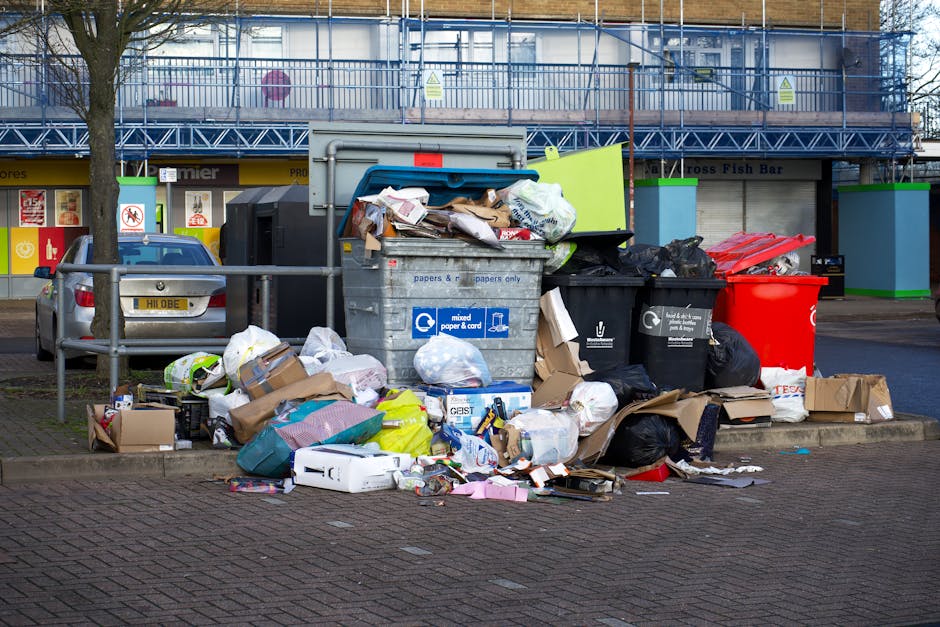
Bushy Park Event Rubbish Plan for Teddington Festivals: A Practical Guide
Festival days in and around Bushy Park have a certain charm: families wandering in with picnic blankets, stallholders setting up early, the smell of coffee drifting across the grass, and then-quite suddenly-the bins are full. That is exactly why a solid Bushy Park event rubbish plan for Teddington festivals matters. Without one, litter builds up fast, public areas look tired by midday, and the clean-up at the end of the event becomes more expensive and far more stressful than it needs to be.
This guide walks through how to plan rubbish collection, reduce contamination, protect the park environment, and keep the event running smoothly from first arrival to final sweep. Whether you are organising a community festival, a seasonal fair, or a busy local event with food vendors and footfall to match, the aim is the same: keep waste under control without making the day feel over-managed.
In practice, the best rubbish plans are simple, visible, and realistic. Not perfect. Just well thought through.
Why Bushy Park event rubbish plan for Teddington festivals Matters
Events in open, popular spaces need more than a few extra bins at the edge of a field. Bushy Park attracts visitors who expect a pleasant, well-kept setting, and festivals in Teddington bring their own busy rhythm: bursts of waste at food stalls, packaging from traders, drink containers, leaflets, napkins, and the occasional awkward item that should never have made it past the gate in the first place.
A good rubbish plan protects three things at once: the visitor experience, the park environment, and the organiser's budget. Miss one of those, and the problems multiply. Overflowing bins lead to wind-blown litter. Mixed waste leads to extra sorting. Poor access for collection vehicles leads to delay. And, let's face it, once rubbish becomes visible to guests, the event starts to feel less polished straight away.
For Teddington festivals, the local context matters too. People often arrive on foot, by bike, or with family groups carrying quite a lot themselves already. That means waste points need to be easy to spot and easy to use. If they are hidden, too few, or badly labelled, waste will end up on the ground. Simple as that.
Expert summary: The strongest event rubbish plans are not the most complicated ones. They are the ones with enough bins, clear signage, sensible collection timing, and a backup plan for busy periods. Get those basics right, and everything else becomes easier.
How Bushy Park event rubbish plan for Teddington festivals Works
At its core, the plan is a waste-flow system. You map where waste will be created, where it will be stored, how often it will be collected, and where it will go after the event. That may sound formal, but it is mostly common sense laid out properly.
The process usually starts before the event day. Organisers estimate the likely waste types: food packaging, bottles, cans, cardboard, mixed rubbish, and any specialist waste from traders or temporary structures. Then they decide how many containers are needed and where they should be placed so people do not have to wander far to use them.
During the event, the plan becomes a live operation. Receptacles are monitored, busy zones are emptied more often, and staff or stewards keep an eye out for bottlenecks. Food courts, entrances, picnic areas, and queue points usually create the most waste fastest. If you have ever seen a bin fill up just after lunch and again before the closing wave, you will know the pattern well.
After the event, the final collection stage matters just as much. Waste needs to be separated where possible, removed safely, and processed by a provider that can handle the volume. If you are dealing with wider event clearances, it can help to speak with a local team that understands event waste removal and can support everything from mixed rubbish to heavier clear-up loads.
For organisers who also need help with furniture, temporary fixtures, or leftover event equipment, it is sensible to plan ahead rather than make a last-minute scramble. Some event setups overlap with the kind of support you would expect from home clearance or office clearance style collections, especially where tables, signage, storage items, or display materials are involved.
Key Benefits and Practical Advantages
A well-built rubbish plan saves more than time. It changes how the whole event feels.
- Cleaner public spaces: Waste stays where it belongs, which improves the atmosphere straight away.
- Faster turnaround: Collections run more smoothly when staff know what is going where.
- Lower contamination: Mixed recycling is one of the quickest ways to create avoidable disposal issues.
- Better visitor flow: If bins are well placed, people do not stop awkwardly looking for them.
- Less stress for traders: Vendors can focus on serving customers instead of managing a growing pile behind the stall.
- Improved reputation: A tidy event feels organised, safe, and worth coming back to.
There is also a quieter benefit that organisers often appreciate only after the fact: fewer surprises. When waste is planned properly, you are not discovering a stack of cardboard behind a marquee at 9:30 pm, or realising the general waste area was placed too far from the main gathering point. Those small misses can snowball quickly.
If your event includes stallholders, caterers, or exhibitors who create different waste streams, take a moment to think about their end-of-day disposal needs. Many organisers pair the event plan with the right service for bulky leftovers, such as business waste removal for traders and recycling and sustainability guidance to keep recoverable materials separate where practical.
Who This Is For and When It Makes Sense
This kind of plan is not just for large ticketed festivals. It makes sense any time a Teddington event will create a meaningful amount of rubbish and attract a steady flow of people.
That includes:
- community festivals and seasonal fairs
- food and drink events
- family days in or near Bushy Park
- markets with multiple traders
- charity fundraisers with outdoor activities
- temporary cultural or music events
It is especially useful when there are multiple waste sources at once. For example, a festival might have recyclable drink containers, compostable food waste, cardboard from stall deliveries, and general rubbish from visitors. That is where a one-bin-for-everything approach starts to fall apart. To be fair, it is a very common mistake.
If your event also involves pre-event setup waste, dismantled props, old furniture, temporary flooring, or garden-style site preparation, you may find supporting services useful too, such as builders waste clearance for setup debris, garden clearance for outdoor site tidy-ups, or garage clearance if storage areas have been used for staging materials.
And if the event is smaller? Still plan it. Small events have a way of generating more waste than people expect, especially once food stalls and foot traffic are involved.
Step-by-Step Guidance
Here is a clear way to build a rubbish plan that is actually workable on event day.
- Map the event zones. Mark entrances, exits, food areas, queue lines, seating, trader rows, toilets, and back-of-house areas.
- Estimate waste types. Separate likely streams such as mixed waste, recycling, cardboard, food packaging, and bulky items.
- Place bins where people naturally stop. People are more likely to use a bin if it is visible at the moment they finish eating or drinking.
- Label containers clearly. Use straightforward wording. Avoid clever labels that look good but confuse everyone.
- Assign monitoring duties. Someone should check levels regularly, especially at peak times.
- Schedule removals. Do not wait until bins are bursting. Mid-event emptying is usually the difference between tidy and chaotic.
- Set aside a back-up area. A discreet temporary holding point helps if collections are delayed or the event runs busier than expected.
- Brief traders and volunteers. Waste plans work better when everyone knows the basic rules, not just the organiser.
- Do a final sweep. Check under tables, around entrances, and near seating areas. Tiny scraps can make a big visual difference.
A practical tip: write the plan as if someone who has never worked the event before will need to follow it at 3 pm on a hot, noisy day. If the instructions still make sense then, you are in good shape.
For events that need a tidy post-festival clear-out, it can also help to have a provider ready for items that are not just standard litter. Think leftover fixtures, broken furniture, damaged screens, or items from temporary catering areas. In those cases, services like furniture clearance, furniture disposal, or even mattress and sofa disposal can be useful where event accommodation or pop-up lounge areas are involved.
Expert Tips for Better Results
These are the little things that often make the biggest difference.
- Place bins in pairs. A single bin in the wrong spot can be ignored. Two together near a busy area are easier to spot and use.
- Use visual cues. Different lid colours, simple icons, and bold labels reduce mistakes.
- Watch the first hour closely. Early patterns usually tell you where the plan needs adjusting.
- Keep bag changes simple. If staff struggle to replace liners quickly, overflow is only a matter of time.
- Give traders a direct rule. For example: cardboard flattened, food waste kept separate, liquids emptied first.
- Plan for wet weather. A damp patch, muddy footpath, or windy afternoon can change waste behaviour very fast.
One thing people often forget: waste is not only about volume. It is about behaviour. A busy crowd with no obvious disposal point will leave wrappers on ledges, next to fences, or half tucked into a hedge. Humans are creative like that, sadly.
If you are dealing with specialist items, do not push everything into the general pile. For example, refrigeration units, electrical equipment, or anything with potentially hazardous elements should be handled separately. Relevant support may include fridge and appliance removal or hazardous waste disposal, depending on what is actually being cleared.
And if the event produces a lot of paperwork or printed material, it is worth considering confidential shredding for any sensitive documents gathered during setup or admin close-down.
Common Mistakes to Avoid
Most rubbish-plan failures are not dramatic. They are ordinary oversights that grow into bigger headaches once the event is underway.
- Underestimating footfall: A plan based on "best case" crowd behaviour is usually too optimistic.
- Putting bins out of sight: If people have to search for disposal points, they often do not bother.
- Mixing waste streams: Once recycling is contaminated, the value of sorting drops fast.
- Ignoring trader waste: Vendor waste adds up quickly and often arrives in waves.
- Skipping a final sweep: The site may look almost fine, but almost fine is not the same as tidy.
- No backup collection plan: Delays happen. If you have no contingency, the issue spreads.
Another easy trap is leaving waste planning until everything else is done. That is backwards. Waste should sit near the top of event planning, not at the end as an afterthought. Otherwise, you end up designing an event around a rubbish problem rather than the other way round.
If your team is also handling a large site setup or post-event dismantle, take a look at the operational side early. The best results often come when rubbish planning is paired with clear event logistics and reliable removal support through a service like house clearance for broader clear-outs or flat clearance where temporary accommodation or hired spaces need to be emptied at the end.
Tools, Resources and Recommendations
You do not need a complicated system to manage event rubbish well. A few basic tools, used consistently, do the job better than fancy planning that nobody reads.
- Site map: Mark bin points, collection routes, and storage areas.
- Waste log: Track what is being collected and how often bins are emptied.
- Briefing sheet: Keep one-page instructions for volunteers and traders.
- Signage pack: Simple, durable signs that can be placed fast and seen from a distance.
- Collection timetable: A rough schedule for the day, with space for adjustment.
As a recommendation, build your plan around the waste types you actually expect, not the ones that sound tidy on paper. If there are food stalls, prioritise food and packaging waste. If there is a merchandise area, cardboard may become a major stream. If there are pop-up structures, do not forget the bulky leftovers.
For organisers comparing removal options, it helps to think in terms of convenience, segregation, and end-of-event clean-up speed. Some event waste is best handled as a straightforward mixed collection. Other loads are better separated in advance. If you are unsure where your event sits, a simple review of the likely materials can help you choose the right route. The site's what can go in a skip guide is also useful for understanding common waste categories, even if your event uses a different collection method.
Law, Compliance, Standards and Best Practice
Event waste planning is not only a housekeeping issue. In the UK, organisers have a duty to manage waste responsibly, use suitable carriers, and avoid leaving rubbish where it could create nuisance, risk, or environmental harm. The exact obligations vary depending on the event, the venue, and the type of waste involved, so it is wise to check current local and legal requirements rather than assume a one-size-fits-all approach.
Good practice usually includes the following:
- keeping waste segregated where reasonably practical
- using appropriate containers for the waste type
- avoiding unsafe manual handling
- keeping access routes clear for collection
- storing waste securely if it must remain on site temporarily
- documenting who is responsible for waste during each stage
Health and safety matters too. Sharp objects, broken glass, wet food waste, and overloaded bags can all cause problems for staff and volunteers. If a load includes awkward or heavy items, it is worth reviewing the organiser's risk controls and using a provider with clear safety procedures. You can also use the company's health and safety policy and insurance and safety information as part of your supplier check.
Compliance also covers how waste is removed and processed. Where recycling is possible, it should be separated in a sensible way. Where items are not recyclable, they still need to be disposed of correctly. And if a festival includes any sensitive materials, electricals, or potentially harmful substances, the waste plan needs to treat those separately. No shortcuts there.
Options, Methods and Comparison Table
Most festivals choose between a few broad approaches. The right choice depends on site size, crowd volume, waste mix, and how much control the organiser wants over sorting.
| Method | Best for | Pros | Watch-outs |
|---|---|---|---|
| Mixed waste collection | Smaller events or simple setups | Easy to manage, quick to brief | Less recycling potential, contamination risk |
| Separated recycling points | Events with clear packaging and bottle waste | Better sorting, cleaner recovery streams | Needs clearer signage and more monitoring |
| Dedicated trader waste zones | Markets and food-led festivals | Reduces clutter around stalls | Requires trader cooperation and space |
| Staged collections throughout the day | Busy events with peak periods | Prevents overflow, keeps the site tidy | Needs more operational planning |
If you are weighing up how much waste to hold on site, the decision usually comes down to space and timing. Smaller events may manage with scheduled bag changes and a final collection. Larger festivals often need a more active system with interim pickups and a clearly designated holding area. That part matters more than people think.
For events that produce bulky mixed loads as well as general rubbish, a combination approach often works best. It is common to use one method for front-of-house litter and another for back-of-house clearance. That is where a broader service such as house clearance or home clearance style support can help with the final sweep, especially when the site includes lots of temporary furnishings or leftover equipment.
Case Study or Real-World Example
Picture a community festival near Bushy Park on a warm Saturday afternoon. Early on, the site looks tidy. Bins are empty, volunteers are in good spirits, and traders are just getting started. By 1 pm, the food area is busy, drink cups are stacking up, and cardboard from deliveries is sitting behind one of the stalls because nobody has flattened it yet.
Now imagine two versions of what happens next.
In the first version, bins are placed only near the main entrance. People keep walking past them to reach the food area, then leave wrappers on nearby rails "just for now". By mid-afternoon, litter is blowing across the grass. Volunteers spend their time picking up scraps instead of supporting visitors.
In the second version, the organiser has placed clear bin stations by the food zone, added a mid-event collection, briefed traders on cardboard flattening, and kept a small back-of-house holding point for fuller bags. The site still gets busy, of course. But the waste never gets ahead of the team. The end-of-day clean-up takes much less time, and the park is ready to hand back without that tired, slightly defeated feeling that poor planning causes.
That is the real value of a good rubbish plan. Not glamour. Not perfection. Just a calm, tidy finish when everyone is already a bit tired and wants to go home.
Practical Checklist
Use this before the event and again on the day.
- Have you mapped all the main waste-producing areas?
- Are bin locations easy to see from where people will be standing?
- Do traders know which waste goes where?
- Is there a clear plan for food waste, recyclables, and general rubbish?
- Have you arranged enough collections for peak times?
- Is there a secure temporary holding area if you need one?
- Have you thought about bulky items, electricals, or special waste?
- Is the site sweep included in the close-down schedule?
- Do staff know who to contact if bins fill unexpectedly fast?
- Have you reviewed safety for lifting, carrying, and bag handling?
If you can tick most of those boxes, you are already ahead of many event plans. Really, that is the difference between a rushed clean-up and a controlled one.
Get a free quote today and see how much you can save.
Conclusion
A Bushy Park event rubbish plan for Teddington festivals is not just an admin task. It is part of the visitor experience, part of the safety plan, and part of the event's reputation. Done well, it keeps the space pleasant, reduces stress for traders and volunteers, and makes the end-of-day clear-up feel manageable instead of chaotic.
The best approach is usually the simplest one: know your waste streams, place bins where people naturally need them, schedule timely collections, and keep a clear final sweep in the plan. Add sensible compliance checks, and you have a system that can handle the reality of a busy festival without fuss.
If you are planning a Teddington event and want the waste side to feel under control from the start, a little preparation goes a long way. And once the site is clear, tidy, and quiet again after the last guests have gone, you will be glad you planned it properly.
Frequently Asked Questions
What is a Bushy Park event rubbish plan for Teddington festivals?
It is a structured approach to managing waste before, during, and after a festival or event in or around Bushy Park. It covers bin placement, waste types, collection timing, and final clear-up.
Why do festivals in Teddington need a specific rubbish plan?
Because crowd movement, food stalls, outdoor spaces, and changing weather all affect how waste builds up. A plan tailored to the site helps prevent overflow and keeps the area looking cared for.
How many bins does a festival need?
There is no fixed number that suits every event. It depends on footfall, food vendors, site size, and how long the event runs. The safer approach is to map waste hotspots and add more capacity than you think you need.
Should recycling be separated at outdoor festivals?
Yes, where practical. If you can separate cardboard, bottles, cans, or clean packaging from general rubbish, it usually helps the clean-up process and reduces contamination. It does need clear signage, though.
What is the biggest mistake organisers make?
Underestimating waste volume. Many organisers place bins based on a quiet moment during setup, not based on the busiest hour of the day. That is where plans fall over.
Do small community events need a rubbish plan too?
Absolutely. Even smaller events can create more waste than expected, especially if they have food stalls, drinks, or family footfall. A simple plan is often enough, but it should still be written down.
How often should bins be checked during the event?
Often enough to prevent overflow. Busy food areas may need frequent checks, while quieter zones can be monitored less regularly. The first hour usually tells you whether the schedule needs tightening.
What happens to leftover event furniture or equipment?
That depends on the item. Some things can be reused, some recycled, and some need specialist collection. For bulky leftovers, services such as furniture clearance or furniture disposal may be useful.
Can hazardous items be mixed with general event rubbish?
No. Hazardous waste should be handled separately and safely. If your event creates anything potentially harmful, it needs its own process and an appropriate disposal route.
What should traders be told before the event?
They should know where to put cardboard, food waste, general rubbish, and any special items. Keep the instructions short and clear. Traders are busy enough already.
Is a final site sweep really necessary?
Yes. Small litter left behind can make a big visual difference, and it is easy to miss scraps under tables, along edges, or near entrances. The final sweep is usually the last thing people want to do, and the most important. Funny how that works.
How can I make the plan easier for volunteers to follow?
Use a simple map, clear labels, and one-page instructions. If possible, assign one person to oversee waste so everyone knows who makes the call when bins fill up fast or a problem appears.
What should I do next if I need help with event waste?
Start by listing the waste types, likely volume, and collection points. Then review whether you need mixed rubbish removal, separate recycling handling, or bulky-item support. If you want to talk it through, contact the team here or review pricing and quotes for the next sensible step.