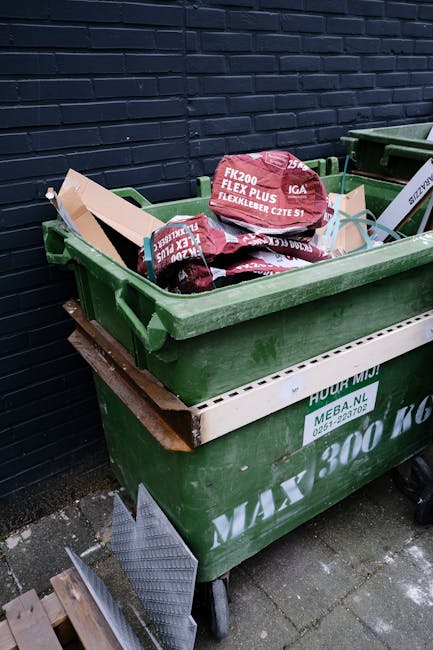
Broad Street Teddington builders rubbish collection tips

If you are dealing with builders waste on or near Broad Street in Teddington, the job can get messy fast. One minute it is a neat stack of plasterboard offcuts and broken tiles; the next, you have dusty bags, timber lengths, packaging, and a driveway that looks like a small demolition site. The right Broad Street Teddington builders rubbish collection tips make the whole process calmer, safer, and far more efficient.
Whether you are a homeowner juggling a renovation, a landlord turning around a property, or a tradesperson trying to keep a project moving, the basics are the same: sort the waste properly, store it safely, and choose a collection method that fits the size and timing of the job. In this guide, you will find practical advice that actually helps on the day, not just generic "clear up after yourself" talk. Let's get into it.
Why Broad Street Teddington builders rubbish collection tips Matters
Builders rubbish is not like normal household waste. It is heavier, sharper, dustier, and usually awkward to move. Even a modest home project can create a surprising amount of material: broken brick, timber cut-offs, packaging, old fixtures, soil, tiles, and the odd mystery item nobody remembers ordering. If you leave it until the end, the pile can spread quicker than you expect.
On streets like Broad Street, where access, parking, and neighbour awareness all matter, poor waste handling can become more than an inconvenience. Bags left out for too long, overfilled piles, or waste blocking a shared route can create friction with neighbours and slow down the whole job. In our experience, the best outcomes come from planning the rubbish collection before the first hammer swing, not after the final coat of paint.
There is also a simple practical reason to care: poor waste management wastes money. If waste is mixed together, harder to lift, or left to build up, you often end up paying extra in time, labour, or an unnecessary second clearance. A bit of forethought goes a long way. Truth be told, it is one of those jobs that feels boring right up until it saves you a headache.
Expert summary: The smarter the sorting and staging, the smoother the collection. Good builders waste habits reduce disruption, improve safety, and make collections quicker and cleaner on the day.
How Broad Street Teddington builders rubbish collection tips Works
At a practical level, builders rubbish collection usually follows a simple pattern: identify what needs removing, group it by type, keep it accessible, and arrange a suitable collection method. The best tip is not a single trick; it is the sequence. Get the sequence wrong, and even a small job feels bigger than it should.
First, decide what sort of waste you have. A typical renovation may produce general mixed builders waste, but some items need special handling. Plasterboard, electrical items, fridges, paint tins, and anything that could be classed as hazardous should not be treated casually. If a material is awkward, potentially harmful, or regulated, it deserves a separate plan.
Next, think about access. Can waste bags be carried safely from the property to the collection point? Is there enough room for a van, skip, or loading area without blocking pedestrians or neighbours? On a real job, those little questions matter more than people think. One tight doorway or awkward front step can add half an hour to a collection, easy.
If you want a simple route into the process, it helps to look at dedicated builders waste clearance and broader waste removal support. For larger mixed loads, many people also check the guidance on builders waste clearance and waste removal before deciding how to move forward.
Key Benefits and Practical Advantages
Good builders rubbish collection is not just about tidiness. It changes how the whole project feels. The site is easier to work on, people move more safely, and progress becomes more visible. There is a kind of quiet relief in that, especially when you are looking at a room full of rubble and thinking, "right, where do we even start?"
- Safer working space: Fewer loose boards, nails, and sharp fragments underfoot.
- Faster project flow: Trades can keep moving without constantly shifting waste out of the way.
- Better access: Doorways, hallways, and outdoor areas stay usable.
- Cleaner finish: Less dust and debris tracked into finished rooms.
- Less neighbour disruption: Neater staging reduces visual clutter and keeps shared areas calmer.
- More predictable costs: Clear waste is easier to estimate and remove efficiently.
There is another benefit that people underestimate: confidence. Once the waste is under control, the project feels under control. That may sound soft, but it matters. A tidy worksite tends to lead to better decisions. People notice mistakes earlier. Access stays open. Nobody ends up stepping over the same bag three times a day.
If sustainability matters to you, ask how much of the collected waste can be sorted for recycling. The team page on recycling and sustainability is worth a look if you want a clearer sense of responsible disposal habits.
Who This Is For and When It Makes Sense
This advice is useful for a wide range of people, not just full-scale builders. In fact, some of the most common waste problems come from small or medium jobs where people assume the mess will be "manageable". It rarely is, at least not without a plan.
- Homeowners doing kitchen, bathroom, loft, or garden renovation work.
- Landlords and letting agents preparing properties between tenancies.
- Tradespeople who want a cleaner and faster site handover.
- Developers and renovators managing mixed waste streams across multiple rooms.
- DIYers who have underestimated how much waste a project produces.
It makes sense to arrange collection early if the waste is likely to block access, if you are working to a deadline, or if the site will be used by several people in one day. Even one day can matter. A collection booked at the right moment often keeps the whole job from stalling.
If your project overlaps with furniture, old appliances, or general household clear-out work, related services may also be useful. Depending on the job, you might compare with home clearance, house clearance, or garage clearance for mixed contents alongside builders debris.
Step-by-Step Guidance
1. Walk the site before the waste piles up
Start by taking a look at where waste will build up and where it can safely exit the property. Think about door widths, stairs, driveways, and any narrow areas that could get blocked. A five-minute walk-through before the job begins can save a lot of awkward carrying later.
2. Separate waste as early as possible
Keep timber, metal, rubble, packaging, and mixed light waste apart where practical. You do not need museum-level sorting, but some separation helps a lot. It makes loading quicker and can improve recycling outcomes too.
3. Keep hazardous or specialist items out of the main pile
Paints, solvents, chemicals, asbestos-related materials, and other risky waste should not be bundled into a standard builders load. If you are unsure, treat the item cautiously and get proper guidance. Do not just tuck it behind a stack of boards and hope for the best.
4. Bag and stack with the collection in mind
Place lighter waste in sturdy bags and stack heavier materials in stable, low piles. Avoid loose rubble scattering across the path. If you have ever heard plaster dust crunch underfoot at 8 a.m., you will know why this matters.
5. Leave safe access for the collection team
Waste should be reachable without people climbing over hazards or moving half the site to get to one bag. Clear access speeds everything up. It also reduces the chance of accidental damage to walls, floors, or freshly fitted units.
6. Confirm what is included before collection day
Make sure the collection provider knows what they are removing and whether any heavy or awkward items are included. If a job includes appliances, old furniture, or mixed domestic waste, that affects the loading plan. For appliance-heavy clearances, the page on fridge and appliance removal can be a helpful reference point.
7. Do a final sweep
Before the team leaves, check corners, under stairs, and behind doors. It is amazing how often one last sweep catches a stray bag of offcuts. Not glamorous, but worthwhile.
Expert Tips for Better Results
If you want smoother builders rubbish collection near Broad Street, the trick is to think like the person who has to lift it. What is easiest to carry? What is hardest to miss? What would make the job slower if it were buried at the bottom?
- Use one waste zone: Put all builders rubbish in a single agreed area, rather than scattering piles across the property.
- Label special items: Mark anything that should not be touched without care, especially electrical or fragile waste.
- Keep pathways dry and clear: Rain, dust, and mud combine into a very unpleasant slippery mess.
- Load from heavy to light: Weightier items at the bottom, lighter bags on top, but only if stable.
- Protect finished surfaces: Cardboard, dust sheets, or floor protection can save time and reduce damage.
- Book before the final rush: Waiting until the last evening often creates panic loading, and panic is never efficient.
A small but useful habit: take a quick photo of the waste area before collection. Not for drama, just for your own reference if you need to check what was included. It can be surprisingly handy when coordinating with trades or landlords.
For project-specific pricing and planning, the page on pricing and quotes can help set expectations before you commit.
Common Mistakes to Avoid
Most collection problems are avoidable. They usually come from rushing, guessing, or assuming the waste will be "fine" as long as it is outside. It is never quite that simple.
- Mixing everything together: This slows sorting, complicates disposal, and makes recycling harder.
- Leaving waste in access routes: Hallways, driveways, and shared entrances should stay usable.
- Ignoring heavy or sharp items: Bricks, glass, metal cut-offs, and broken ceramics can injure people easily.
- Forgetting specialist items: Appliances and potentially hazardous materials need separate treatment.
- Underestimating volume: A few sacks can become a small mountain by lunchtime.
- Booking too late: If the waste is already blocking the site, collection becomes slower and more stressful.
One of the most common mistakes, oddly enough, is assuming the collection team will "sort it out somehow" on arrival. Good teams can help, of course, but they still need the load to be safe, sensible, and reachable. That is just the reality of it.
Tools, Resources and Recommendations
You do not need a truckload of kit to manage builders waste well. A few simple tools make the process much easier and far less chaotic.
| Tool or resource | Best use | Why it helps |
|---|---|---|
| Heavy-duty rubble sacks | Bricks, tiles, plaster fragments, mixed heavy waste | Reduces splitting and keeps waste easier to lift |
| Dust sheets or floor protection | Indoors and exit routes | Protects surfaces and reduces clean-up time |
| Wheelbarrow or sack trolley | Moving waste from back garden or rear room | Speeds movement and reduces strain |
| Work gloves | Handling sharp or rough waste | Basic protection from cuts and scrapes |
| Separation boxes or bags | Small reusable or hazardous-related items | Keeps specialist items apart from mixed waste |
If your clear-out includes bulky domestic items as well as builders debris, you may also want to compare furniture clearance or furniture disposal. For mattresses and larger soft items, there is also mattress and sofa disposal.
And if you are managing a business premises or refurbishment project, the guidance on business waste removal may be a more suitable fit than a domestic-style approach.
Law, Compliance, Standards, or Best Practice
Waste handling in the UK is not something to treat casually. While this article is not legal advice, the general rule is straightforward: waste should be stored, moved, and transferred responsibly, and specialist materials should be handled with extra care. If you are a property owner, contractor, or tenant commissioning works, you should also pay attention to who is removing the waste and how it is being handled.
Best practice usually means checking that the waste handler is properly insured, acts safely on-site, and can explain how different waste streams are managed. If you are booking a clearance, the pages on health and safety policy and insurance and safety are sensible places to understand how a professional service frames risk and responsibility.
There are also practical compliance points around hazardous waste, confidential material, and appliance disposal. For example, old paperwork from a site office should not just be tossed with general rubble. If documents matter, confidential shredding may be relevant. Likewise, anything that seems chemically risky should be treated carefully and may belong under hazardous waste disposal.
Best practice, simply put, is to ask questions early. What can be taken? What must be separated? What is the safest way to load it? Those questions are not annoying. They are a sign of a well-run job.
Options, Methods, or Comparison Table
For builders rubbish on Broad Street, there are a few common ways to handle collection. The right one depends on volume, access, timing, and the mix of materials. Here is a simple comparison.
| Method | Best for | Advantages | Watch-outs |
|---|---|---|---|
| Pre-sorted bagged collection | Smaller projects and light mixed waste | Easy to stage, flexible, quick to move | Not ideal for very heavy rubble or bulky loads |
| Dedicated builders waste clearance | Medium to larger renovation debris | Good for mixed construction materials and rapid removal | Needs clear access and sensible separation |
| Skip-based approach | Projects with a steady stream of waste | Useful when waste is generated over several days | Needs space and you must know what can go in a skip |
| Full property clearance support | Mixed contents plus waste after refurb or move-out | Handles more than just rubble, good for one-off cleanups | May be more than you need for a small DIY job |
If you are unsure how much can go into a skip, the page on what can go in a skip can help you think through the practical limits before you decide. Some jobs are better handled as direct collection, others as staged loading. There is no one perfect answer, frustratingly enough.
Case Study or Real-World Example
Picture a modest kitchen renovation off Broad Street. The job starts with cabinets, a bit of tiling, and new flooring. Nothing dramatic. By the end of day two, there are timber offcuts, plaster dust, old packaging, a broken sink, and more rubble than anyone expected. The client thought the waste would fit in a handful of bags. It rarely does.
What made the difference here was not brute force. It was organisation. The team kept one corner of the hallway as a waste staging area, separated the sharp debris from the lighter packaging, and made sure the collection point stayed clear of finished flooring. The result? The removal took less time, the room stayed safer, and the last-day clean-up did not become a mini disaster.
There was a funny moment, too. Someone found a single bent screw in the middle of the dust sheet and jokingly called it "the final boss of the job." A small thing, but it sums up the reality of site work: the tiniest objects can become the biggest nuisance if they are left everywhere.
That is really the lesson. Good waste collection is rarely about heroics. It is about steady, unglamorous habits that keep the job moving.
Practical Checklist
Use this checklist before collection day. It keeps the process simple, and simple is good when there is dust everywhere and people are trying to finish a room.
- Confirm what types of builders waste are being removed.
- Separate rubble, timber, metal, packaging, and specialist items where practical.
- Keep hazardous or unclear materials apart.
- Check access routes for trip hazards, blocked doors, or tight corners.
- Place waste in one designated staging area.
- Use strong bags or stable stacks for loose debris.
- Protect floors and finished surfaces.
- Make sure the waste can be reached without moving half the site.
- Review whether any furniture, appliances, or domestic items also need removal.
- Do a final sweep for small pieces, nails, and sharp offcuts.
If you want to tidy more than just builders debris, it may be worth looking at loft clearance or office clearance depending on the broader nature of the job.
Conclusion
The best Broad Street Teddington builders rubbish collection tips are the practical ones: sort early, keep access clear, separate risky items, and choose the right collection approach for the amount of waste you actually have. That last part matters more than people think. A small renovation can create a surprisingly awkward pile if it is not managed from day one.
To be fair, most rubbish problems are not caused by the waste itself. They are caused by delay, mixed materials, and poor staging. Once you build a simple system, the whole process becomes easier, safer, and much less stressful. And that is usually the real goal, isn't it?
Get a free quote today and see how much you can save.
When you are ready to clear the clutter and get the project back on track, a well-planned collection can make the whole site feel lighter, calmer, and just more manageable. Small win, but a proper one.
Frequently Asked Questions
What is the best way to handle builders rubbish on Broad Street in Teddington?
The best approach is to sort waste early, keep it in one accessible area, and arrange collection before the pile becomes difficult to move. That keeps the site cleaner and reduces disruption.
Can I mix rubble, timber, and packaging together?
Some mixed builders waste can be collected together, but separating heavier rubble from lighter materials usually makes removal easier and safer. Specialist or hazardous items should stay separate.
How do I know if I need builders waste clearance or skip hire?
If waste is generated over several days and you have space for a container, skip hire may suit. If you want faster removal or have limited space, builders waste clearance is often more practical.
What should I do with plasterboard, paint tins, or other awkward materials?
Handle them carefully and keep them separate until you know the right disposal route. Some materials need specific handling and should not be mixed into general waste.
How can I keep the collection area safe during a renovation?
Keep pathways clear, use sturdy sacks, stack waste neatly, and protect floors or finished surfaces. It is a simple thing, but it makes a big difference.
Are builders rubbish collection tips useful for small DIY jobs too?
Absolutely. Smaller jobs often create more mess than people expect, especially when old fixtures, tile fragments, and packaging are involved. The same habits still help.
What if I also need furniture or appliance removal?
Then it may make sense to combine the collection with a related service such as furniture disposal, mattress and sofa disposal, or fridge and appliance removal, depending on what you have on site.
How far in advance should I arrange collection?
As soon as you can estimate the waste volume. Waiting until the final day usually adds pressure, and you may end up with access issues or a bigger-than-expected load.
Do I need to worry about hazardous waste from a building project?
Yes. Anything that could be harmful, chemically risky, or otherwise specialist should be treated with care. If there is any doubt, do not put it in the general waste pile.
What if I am not sure how much waste I have?
That is very common. A quick site walk-through, photos of the waste area, and a rough list of materials usually give enough information to make a sensible plan.
Is builders waste collection suitable for landlords and empty properties?
Yes. It is often a good fit when a property needs to be cleared quickly after works, between tenancies, or before a handover. It can save a lot of back-and-forth.
How do I avoid making a mess for neighbours?
Keep waste contained, avoid blocking shared access, and remove it as promptly as possible. A neat pile is far less likely to cause irritation than bags left out for days.
What is the most overlooked tip for builders rubbish collection?
Probably access planning. People focus on the waste itself and forget the route out. If the path is awkward, everything becomes harder than it needs to be.
Where can I learn more about responsible disposal and related services?
The most useful next steps are to review builders waste clearance, recycling and sustainability, and the page on what can go in a skip so you can match the disposal method to the material.
And if you are the kind of person who likes a job done properly the first time, that is exactly the right instinct here.